
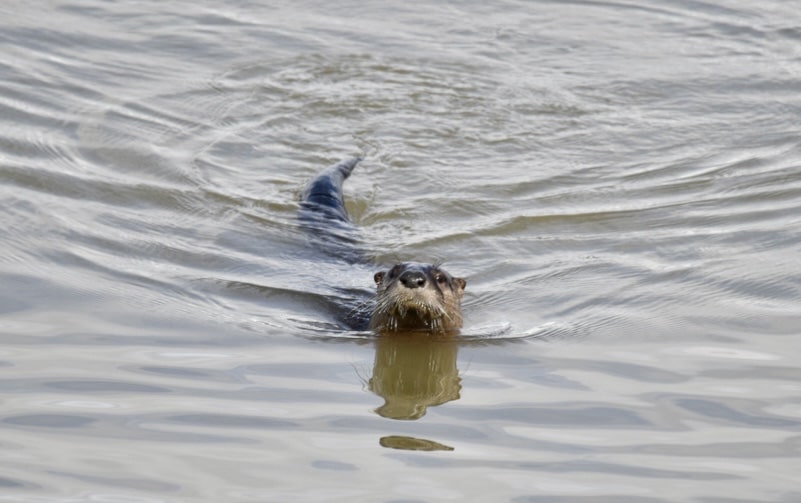
Kayakers on the Napa River may see herons, egrets, belted kingfishers, ducks, turtles, beavers and river otters. Sightings change with season, tide, weather, time of day and simple luck, so no responsible guide should promise a particular animal.
This guide focuses on wildlife that Napa Kayak founder and lead guide Justin Perkins has learned to watch for while guiding the Napa River. It does not advertise a separate wildlife tour. Wildlife interpretation is one part of the Napa River History Tour, and independent paddlers may also make observations during a suitable Napa kayak rental.
Why the Napa River supports so much wildlife
The Napa River changes from freshwater habitat upstream to a tidal estuary connected with San Pablo Bay. Around Napa, paddlers pass a mix of riverbank vegetation, mud edges, bridges, restored floodplain areas and an active urban waterfront. Each habitat offers different places for birds, fish, turtles and semi-aquatic mammals to feed, rest or travel.
Farther south, the Napa-Sonoma Marshes contain extensive baylands, tidal sloughs and wetland habitat. The California Department of Fish and Wildlife identifies the area as important to waterfowl, shorebirds, mammals, fish and crustaceans. That lower-marsh ecosystem influences the living river, but a Riverside rental or downtown History Tour should not be described as a trip through every lower-river wildlife area.

Napa River wildlife by season
| Season | What kayakers may notice | Responsible viewing note |
|---|---|---|
| Spring | More bird activity, nest-building behavior and adults carrying food; turtles may appear on warmer days | Give banks, nest holes and young animals extra space |
| Summer | Herons and egrets feeding at river edges, kingfishers moving between perches, turtles basking and occasional mammal activity | Do not approach a resting animal for a photograph |
| Fall | Changing bird movement and the beginning of stronger migratory-waterbird activity in the wider estuary | Watch quietly from the normal paddling route |
| Winter | Seasonal ducks and other waterbirds may be more noticeable; rain and changing river conditions also affect visibility | Wildlife interest never overrides safe weather and water decisions |
These are patterns, not a calendar guarantee. Some animals are present year-round, some pass through, and many remain hidden even when nearby.
Birds commonly watched from a kayak
Herons and egrets
Great blue herons and white egrets are among the easiest large birds to notice. Look along shallow edges, exposed mud and quiet shoreline rather than only overhead. If a bird stops feeding, stretches its neck toward you or flies away, you may be too close.
Belted kingfishers
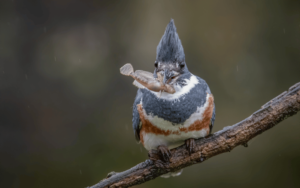
A belted kingfisher may announce itself with a rattling call before it is seen. These compact fishing birds often use branches, posts and other perches above the water. They can also nest in holes excavated in earthen banks, so paddlers should avoid lingering near an active nest.
Ducks, shorebirds and seasonal visitors
The Napa River connects with a much larger Pacific Flyway wetland system. The U.S. Fish and Wildlife Service describes San Pablo Bay habitat as important for migratory birds, shorebirds and waterfowl. The mix visible near downtown Napa is smaller and varies with tide, season and weather, but this larger estuary explains why the river can produce surprising bird observations.
Beaver, river otter and other mammals
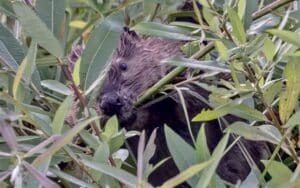
Beavers and river otters both use rivers, wetlands and estuaries, but they behave differently. A beaver is a plant-eating rodent with a broad, flat tail; look for cut branches, gnaw marks or a low profile moving through the water. A river otter has a long, streamlined body and thick tapering tail and may surface repeatedly while hunting or traveling.
Justin has encountered both on the Napa River, but neither appears on command. Dawn, evening, quiet water and luck can help, yet paddlers should never block an animal’s path, approach a den or attempt to feed it. California wildlife officials note that river otters are native and adapted to rivers, estuaries and wetlands.
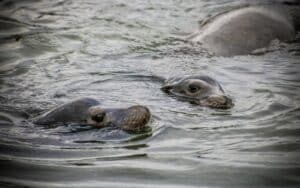
Sea lions and other marine visitors can occasionally travel into the tidal river. An unusual sighting is exactly that—unusual—and should never be marketed as an expected part of a Napa kayak trip.
Turtles, fish and the smaller life of the river
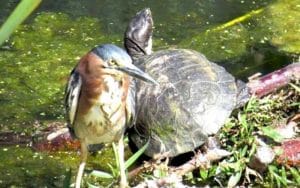
Turtles may bask on logs or exposed edges when conditions suit them. Fish often reveal themselves only through a splash, a ripple or the sudden movement of a hunting bird. Dragonflies and other insects are also part of the river food web. A useful wildlife outing is not measured only by whether a large mammal appears.
How to watch wildlife without disturbing it
- Keep your distance. Use binoculars or a zoom lens instead of paddling directly toward an animal.
- Do not chase. Never follow an otter, beaver, turtle or bird that is moving away.
- Protect nests and banks. Avoid landing near nest holes, resting groups or young animals.
- Keep voices and music low. Quiet observation improves both animal welfare and your chance of seeing natural behavior.
- Never feed wildlife. Feeding changes behavior and can harm animals.
- Stay on the safe route. Do not enter shallow habitat, vegetation or a restricted area just to get a photograph.
- Pack everything out. Secure wrappers, water bottles and phone accessories before launching.
Rental or History Tour for wildlife interest?
| Choice | What it offers | Departure |
|---|---|---|
| Kayak rental | Flexible independent paddling on the agreed route. Wildlife observations are self-directed and never guaranteed. See rental details. | 100 Riverside Dr. |
| Napa River History Tour | Approximately two hours with Justin’s local history, river and wildlife interpretation, instruction and on-water guidance. | 100 Riverside Dr. |
| Sunset Kayak Tour | A guided evening experience centered on sunset timing rather than promised wildlife. | Main Street Dock, 700 Main St. |
Napa Kayak does not promise a dedicated wildlife-watching tour or a particular species. Choose the experience for its actual service: an independent rental, a guided History Tour or the Sunset Tour.

Frequently asked questions
What wildlife can I see while kayaking in Napa?
Possible sightings include herons, egrets, belted kingfishers, ducks, turtles, beavers and river otters. Wildlife is never guaranteed.
What is the best season for Napa River wildlife?
Every season offers different possibilities. Spring can bring nesting activity, warmer months can make turtles more visible, and fall and winter can bring changing waterbird activity. Tide, time of day, weather and luck matter as much as the month.
Does Napa Kayak offer a separate wildlife tour?
No separate wildlife-watching product is promised. Justin discusses wildlife naturally during the Napa River History Tour, and rental guests may make their own observations.
Can I approach an otter or beaver for a photo?
No. Keep a respectful distance, do not chase or feed the animal, and never block its route to shore, cover or a den.
Where do wildlife-focused paddlers meet Napa Kayak?
Rentals and the Napa River History Tour depart from 100 Riverside Dr., Napa, CA 94559. The Sunset Kayak Tour is the only Napa Kayak tour that departs from Main Street Dock, 700 Main St.
Sources and further reading
- California Department of Fish and Wildlife: Napa-Sonoma Marshes Wildlife Area
- California Department of Fish and Wildlife: Napa River Ecological Reserve
- U.S. Fish and Wildlife Service: San Pablo Bay National Wildlife Refuge
- California Department of Fish and Wildlife: beaver and similar semi-aquatic mammals
Plan a Napa River outing: review the season, tide and wind guide, the what to expect guide and Napa Kayak’s safety and certifications. For current guidance, call or text 707-227-7364 or email info@napakayak.com.
Leave a Reply